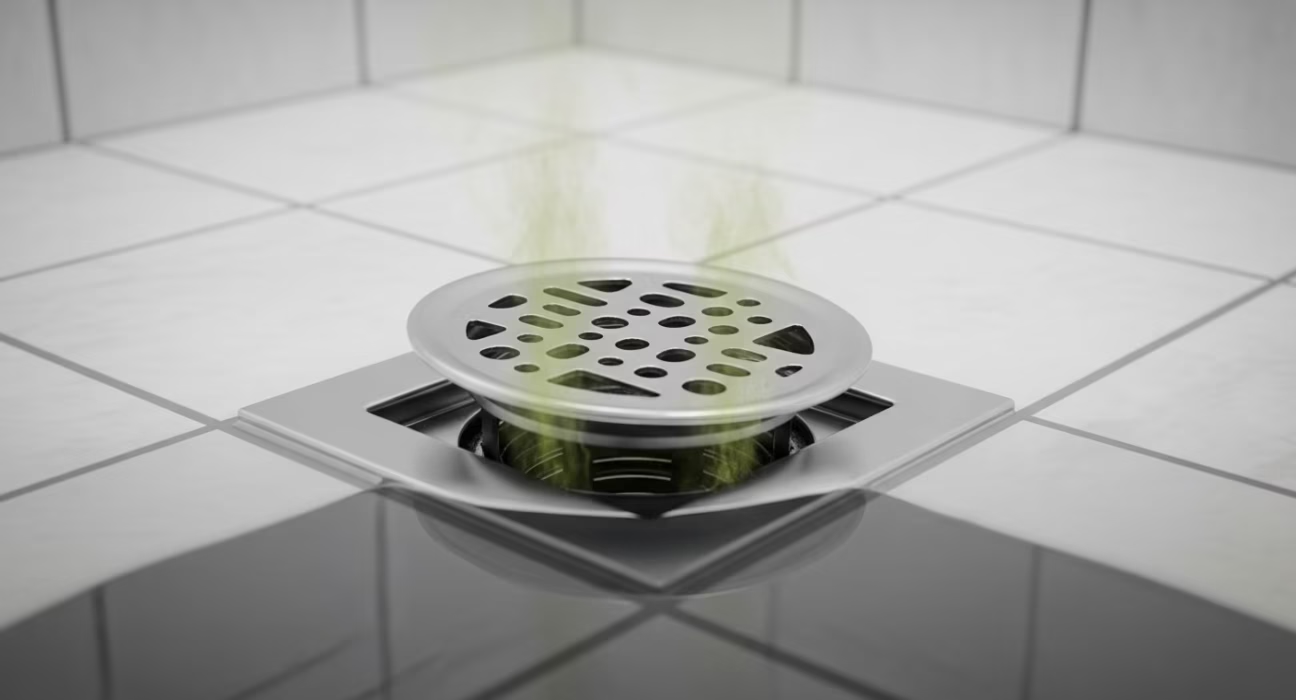
Hi, I’m John Walker. I have spent 15 years crawling under houses, tearing into walls, and inspecting the dark corners of your bathroom drainage system. If you are reading this, you probably walked into your bathroom recently, expecting a relaxing space, only to get hit with a wall of stench.
It smells exactly like rotten eggs, doesn’t it? When your shower drain smells like sewage, it is easy to panic. You might picture raw sewage backing up into your tub, leading to thousands of dollars in plumbing repairs.
Take a deep breath, preferably outside the bathroom. I’ve seen this a thousand times. That terrible sulfur smell rarely means you have a catastrophic plumbing disaster on your hands. Most of the time, the fix is incredibly simple.
In my years on the job, I have learned that knowledge is power when it comes to plumbing. Let’s break down exactly why your shower smells like a sewer, what the main culprits are, and how you can fix it yourself without calling a guy like me.
The 2-Minute Fix
Before we tear apart your bathroom or run to the hardware store, I want you to try my favorite 2-minute fix. Check your P-trap water seal first.
The P-trap is the curved piece of pipe directly under your shower drain. Its entire job is to hold a small pool of water. This water acts as a physical barrier, blocking noxious sewer gas from floating up the pipes and into your home.
If you have a guest bathroom you rarely use, or a shower you haven’t turned on in a few weeks, that water simply evaporates. When the water goes away, the barrier goes away. The fix? Run the shower for two minutes. Let the water flow down the drain to refill the trap. If the smell goes away and stays away, you just fixed your problem for free.
If running the water does not solve the issue, we need to look at the three main culprits.
The 3 Culprits Behind the Stench
When a homeowner calls me because their shower drain smells like sewage, I immediately look at three specific areas. Understanding these culprits will help you maintain your bathroom drainage system and prevent future odors.
1. Dry or Dirty P-Traps
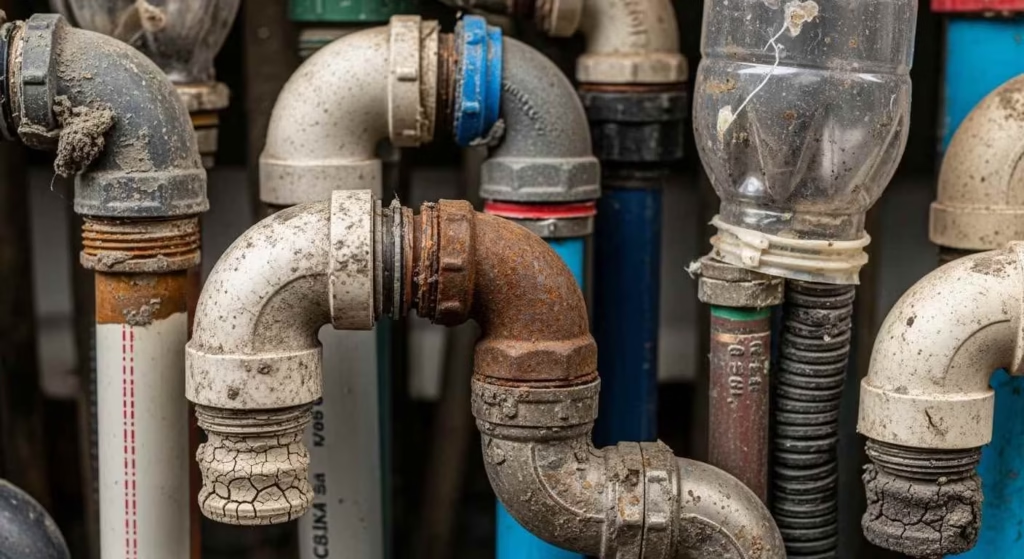
We just talked about dry P-traps, but they can also get dirty. Consistent P-trap maintenance is vital for a fresh-smelling bathroom. Even if the trap has water in it, the water itself can become stagnant and foul.
Hair, soap scum, and dead skin cells wash down your drain every single day. Because the P-trap is curved, it naturally catches a lot of this debris. Over time, this organic matter rots right there in the belly of the pipe.
As it decomposes, it releases a nasty sulfur smell. It smells exactly like sewer gas, but it is actually just rotting hair and soap trapped a few inches below your feet. A good cleaning usually takes care of this instantly.
2. Biofilm Gunk Buildup
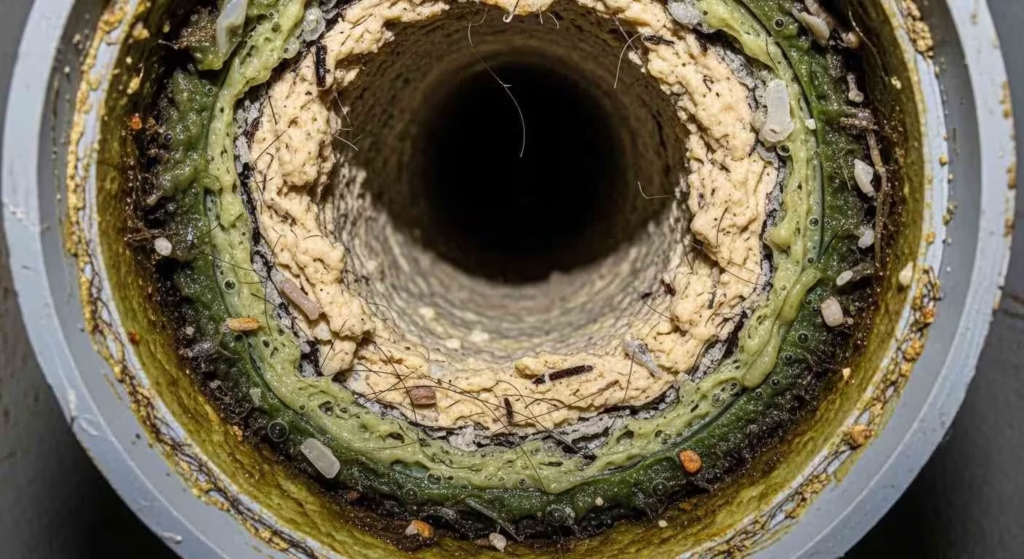
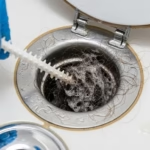
If your P-trap has water and is relatively clear of hair, we look at culprit number two: biofilm. Biofilm is exactly what it sounds like. It is a living, slimy film of bacteria that thrives in damp, dark environments.
Every time you shower, you send a buffet of shampoo, body wash, skin oils, and dirt down the drain. The bacteria latch onto the walls of your pipes and feast on this mixture. As they eat and multiply, they excrete waste. This waste emits a highly potent sewage odor.
Biofilm removal is absolutely necessary if you want a clean-smelling shower. You cannot just wash it away with hot water. It clings to the pipe walls like glue. You have to break it down chemically or physically scrub it away to get rid of the stench permanently.
3. Vent Pipe Issues
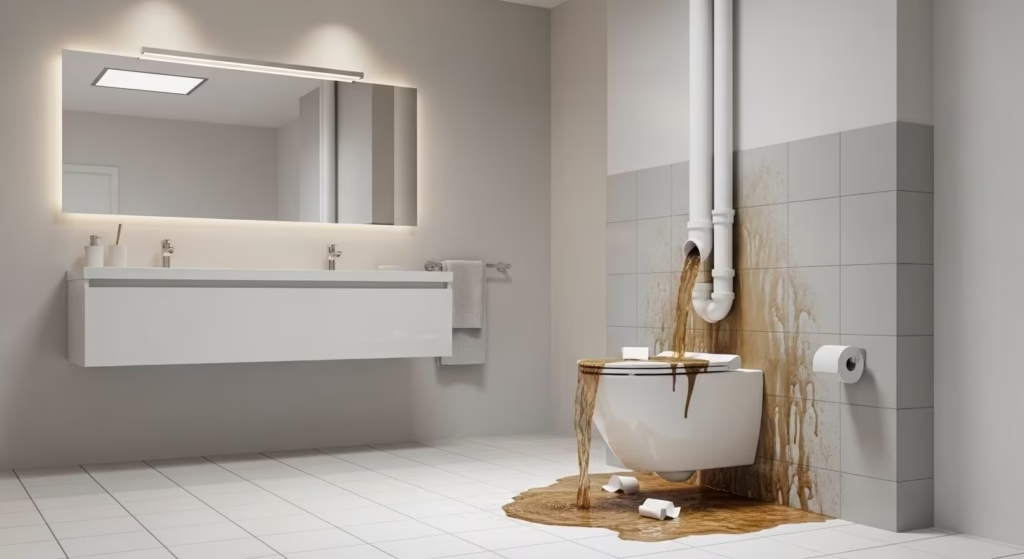
This is the least common but most frustrating culprit. Your plumbing system does not just consist of pipes carrying water away. It also has vent pipes that run up through your roof. These pipes allow air to enter the system so water can flow smoothly, and they vent toxic sewer gas safely outside.
Sometimes, these vent pipes get clogged. I have pulled bird nests, dead leaves, and even tennis balls out of roof vents. When the vent is blocked, the sewer gas has nowhere to go. It builds up pressure inside the pipes.
Eventually, that pressure forces the gas right through the water in your P-trap, bubbling up into your bathroom. If you hear a gurgling sound coming from your drain when you flush the toilet, you likely have a venting issue. This is one situation where you might need to call a professional to clear the roof vent safely.
Naturally Destroying the Odor
If you are dealing with rotting debris or biofilm gunk, you do not need harsh, toxic chemicals. Bleach and commercial drain cleaners can actually damage your pipes over time, especially if you have an older bathroom drainage system.
Instead, I recommend a simple, powerful, natural solution. You probably have everything you need in your kitchen pantry right now. Here is my step-by-step guide for complete biofilm removal and odor elimination.
What You Need
- 1 cup of baking soda
- 1 cup of distilled white vinegar
- 1 gallon of boiling water
Step 1: The Boiling Water Flush
Start by boiling a gallon of water on your stove. Carefully carry it to the bathroom and pour it slowly directly down the shower drain. Do not just dump it all at once. Pour it in a steady stream.
The boiling water softens the hardened soap scum and begins melting the sticky layer of biofilm attached to your pipe walls. It primes the pipes for the real cleaning.
Step 2: Add the Baking Soda
Next, pour one full cup of dry baking soda down the drain. You might need to use a funnel or gently push it through the drain grate with an old toothbrush. Try to get as much of it down into the pipe as possible.
Baking soda is a natural deodorizer and a mild abrasive. It absorbs the foul odors immediately and grips onto the slick walls of the pipe.
Step 3: Pour the Vinegar
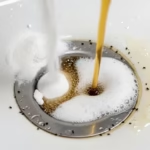
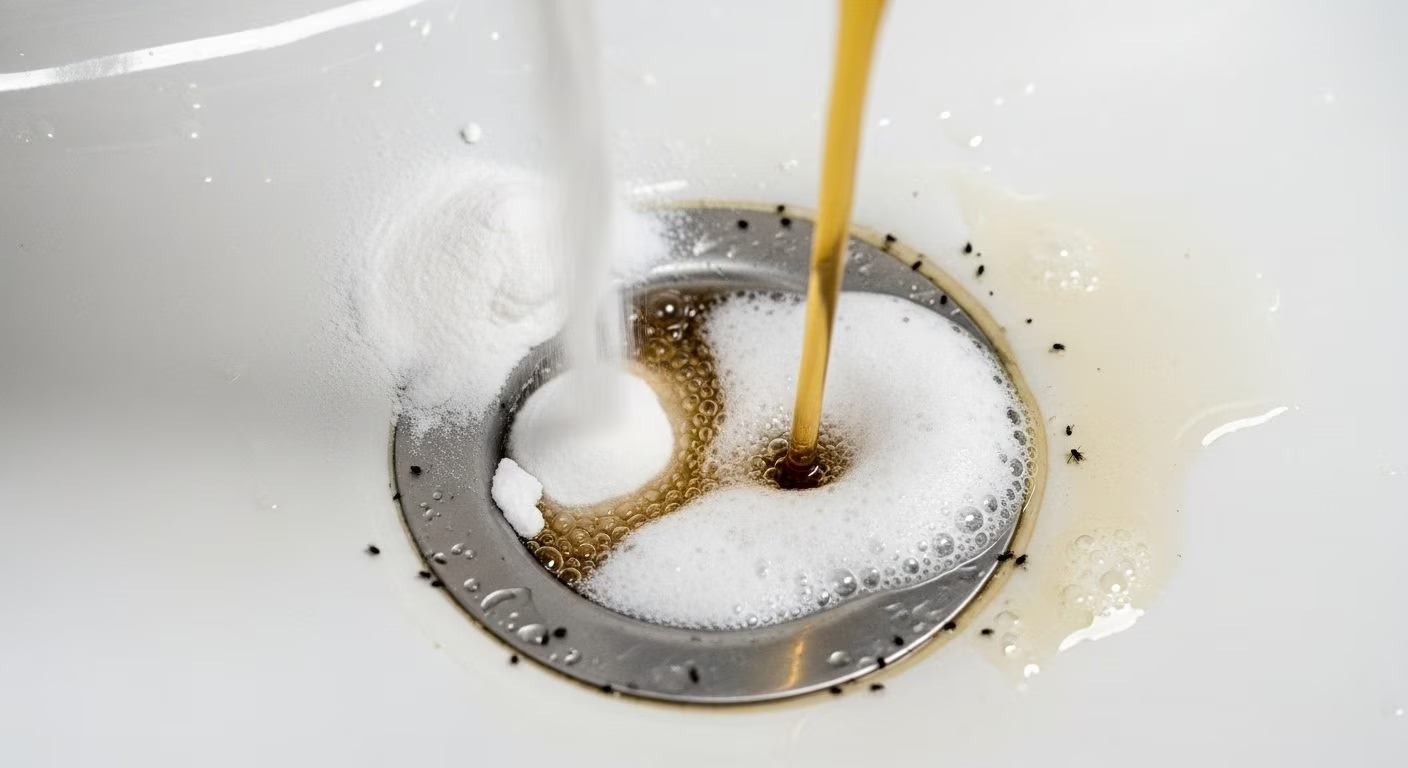
Now, pour one cup of white vinegar down the drain, right on top of the baking soda. Stand back, because you will immediately hear and see a vigorous fizzing reaction.
This chemical reaction is exactly what we want. The acid in the vinegar reacts with the alkaline baking soda, creating expanding carbon dioxide gas. Because it is trapped in the small space of the pipe, this expanding foam scrubs the inside of your pipes. It physically lifts the stubborn biofilm and rotting organic matter right off the plastic or metal.
Step 4: Let It Sit
Do not turn on the water yet. Let the baking soda and vinegar mixture sit in the drain for at least 15 to 20 minutes. I usually tell homeowners to go grab a cup of coffee and let the chemistry do the hard work.
The longer it sits, the more biofilm it dissolves.
Step 5: The Final Flush
Boil another gallon of water. After the 20 minutes are up, pour this second batch of boiling water down the drain.
This final flush washes away all the dislodged bacteria, dissolved soap scum, and remaining baking soda. It pushes everything through the P-trap and out into the main sewer line. Finally, run your shower on cold for about 60 seconds to refill the P-trap with fresh, clean water.
Keep Your Shower Smelling Fresh
In my years on the job, I have noticed that homeowners who do a little preventative maintenance rarely have to deal with foul odors.
You don’t need to perform this deep clean every week. However, adding a quick baking soda and vinegar flush to your monthly cleaning routine works wonders. It stops biofilm from taking hold and keeps your P-trap water fresh.
Remember, when your shower drain smells like sewage, do not panic. Run the water for two minutes to check the trap. If that fails, grab your baking soda and vinegar. Most of the time, you can handle this straight to the point fix entirely on your own. Keep those pipes clean, and enjoy your fresh, odor-free bathroom.
FAQs
Is a smelly shower drain a health risk?
Drain smells often signal deeper problems that, if ignored, can pose risks to both your health and your property.
Why does my shower drain smell like sewage?
Common causes include a dry P-trap, biofilm buildup, or clogged vent pipes. These allow sewer gases to escape into your bathroom.
How do I fix a smelly shower drain?
Start by running water to refill the P-trap. For biofilm, use baking soda, vinegar, and boiling water. Persistent smells may need professional help.
What is a P-trap, and why does it matter?
A P-trap is a U-shaped pipe under the drain that holds water to block sewer gases. If it dries out, odors can escape.
Why does my shower drain smell even after cleaning?
he issue might be deeper, like a blocked vent pipe, biofilm further down the drain, or a cracked sewer line.