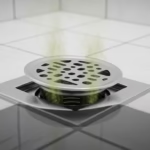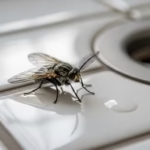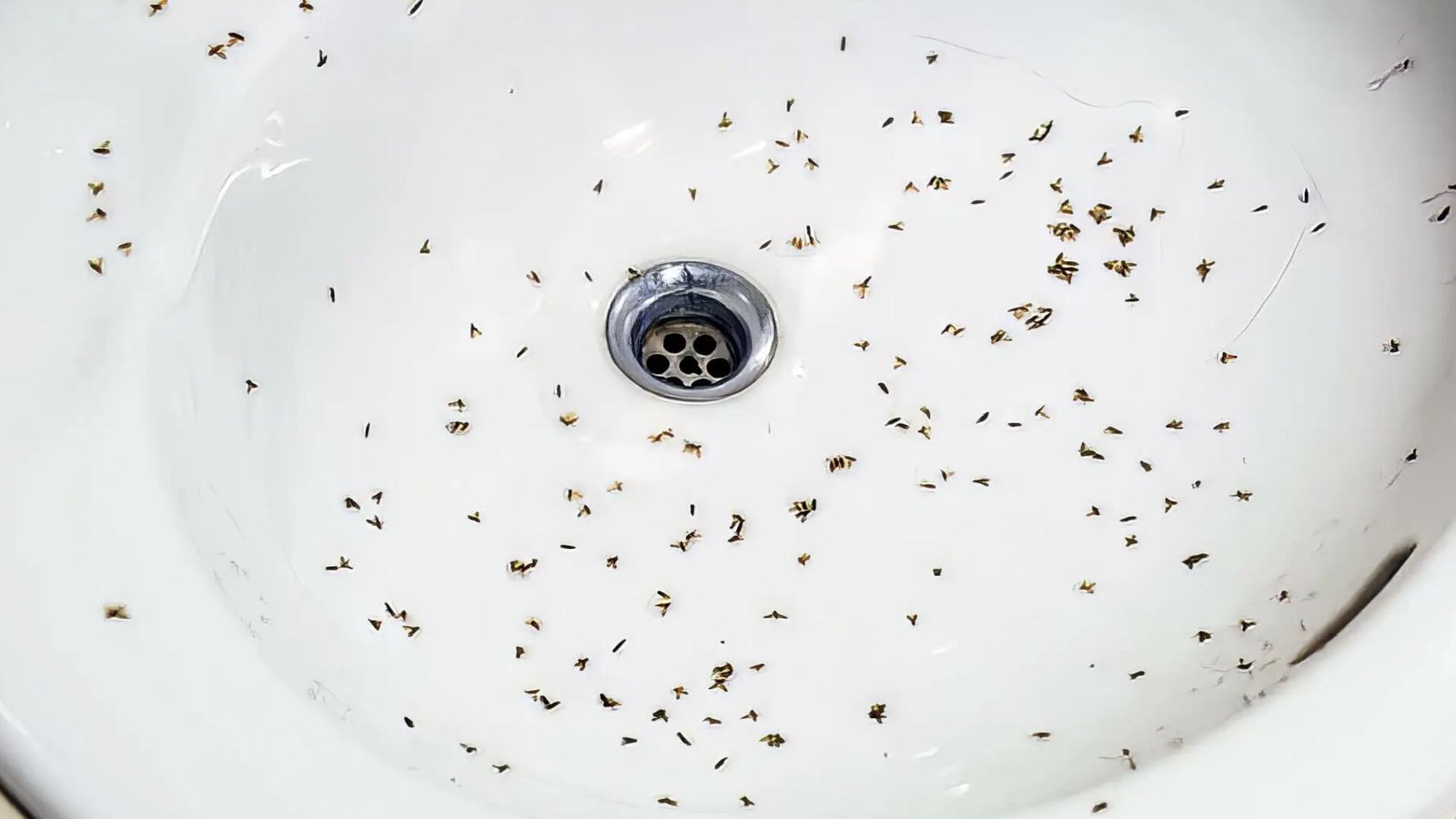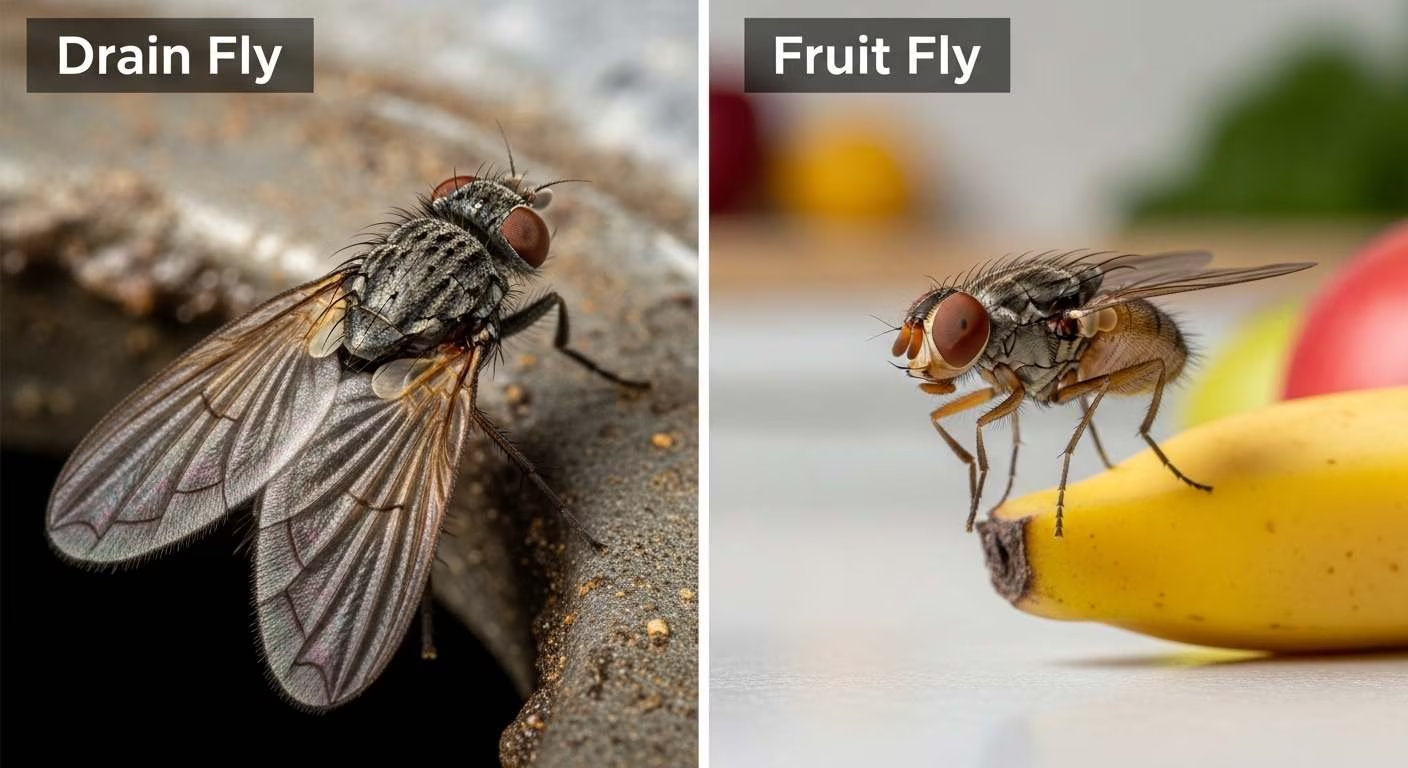
If you are wondering how to unclog a shower drain, you have come to the right place. As a professional plumber with 15 years of experience handling drainage problems and DIY pest control, I have seen it all. A blocked pipe is more than just a minor inconvenience. Left untreated, a slow drain traps debris, creates a foul odor, and leaves you standing ankle-deep in dirty water. Worse, that standing water is a perfect breeding ground for pests like drain flies, which thrive in the decaying organic matter hidden beneath your drain cover.
My goal here is to help you fix this issue quickly and safely, without calling for expensive professional help right away. Many homeowners instinctively reach for harsh chemical cleaners when they notice a blockage. I strongly advise against this. Commercial drain cleaners rely on severe chemical reactions that generate intense heat. Over time, these corrosive substances eat away at your plumbing components, damaging your p-trap, gaskets, and tailpiece. Mixing them can even release highly toxic fumes into your bathroom.
Learning how to unclog a shower drain using non-chemical, DIY methods protects both your plumbing system and your health. Whether you are dealing with minor soap scum buildup or massive hair clumps, mechanical removal and natural household solutions are almost always the better choice. We want to clear the blockage safely using simple physics and chemistry, not destructive acids.
In this guide, I will walk you through exactly how to unclog a shower drain step-by-step. From easy manual techniques to natural fizzy solutions and plunging, these methods require minimal effort and use items you probably already have at home. Let’s get straight to the solutions so you can enjoy a clean, fast-flowing shower again.
If you want to know how to unclog a shower drain, follow these five expert steps.
Step 1: The Manual Clear (No Tools)
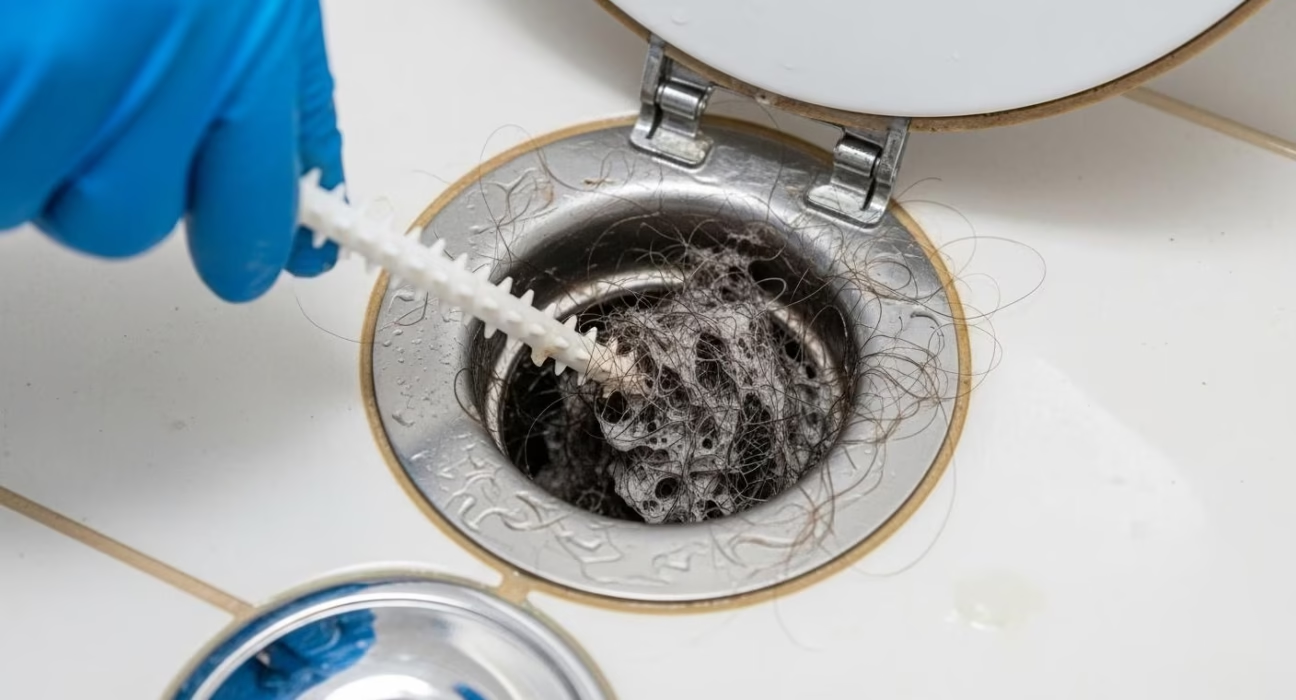
When learning how to unclog a drain shower, the best place to start is the surface. Most blockages occur right below the drain cover, where soap scum and hair clumps tangle together to form a tough, sticky biofilm. You often do not need any special equipment to fix this initial layer of trouble. Knowing how to unclog a shower drain without tools is a fundamental skill for any homeowner.
First, put on a pair of protective gloves. You are going to be pulling out some unpleasant gunk, and sanitation is important. Next, remove the drain cover. Depending on your drain assembly, you might need a screwdriver to remove a couple of screws, or you might simply be able to pop the grate off with your fingers.
Once the cover is off, use your fingers to pull out any visible hair and debris. If the hair is slightly out of reach, you can use a bent wire coat hanger or a simple plastic zip tie with notches cut into it to hook the blockage. Simply insert your makeshift hook a few inches into the pipe, twist, and pull upward. You will be surprised by how much debris you can remove just from the very top of the drain tailpiece.
Pro Tip from John Walker
Always shine a flashlight down the pipe after your initial manual is clear. If you can see the water flowing freely past the p-trap, you might have solved the problem right there. If you still see a blockage further down, move on to the next step.
Step 2: The Natural Fizz (Baking Soda and Vinegar)
If you have removed the surface hair and still have a slow drain, it is time to tackle the sticky soap scum and mineral deposits coating the pipe walls. Many people ask me how to unclog a shower drain naturally. The answer lies in your kitchen pantry: sodium bicarbonate (baking soda) and acetic acid (white vinegar).
Knowing how to unclog a shower drain, baking soda and vinegar style requires the right ratio and a little patience. This method works brilliantly for breaking down organic matter without the toxic fumes associated with chemical cleaners.
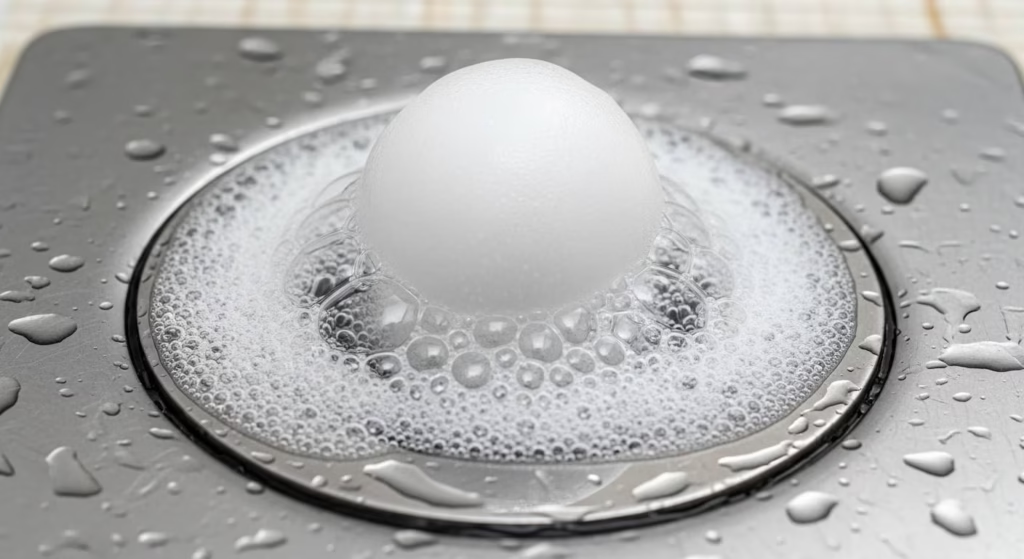
Here is how to unclog a shower drain with baking soda and vinegar:
- Pour one cup of boiling water directly down the drain to soften up the soap scum.
- Pour one-half cup of baking soda down the drain. Try to get as much of the powder into the pipe as possible.
- Pour one-half cup of white vinegar down the drain immediately after the baking soda.
- Cover the drain with a wet rag or the drain cover to force the bubbling action downward into the clog rather than up into the tub.
- Let the chemical reaction work for at least 15 to 20 minutes.
- Flush the drain with another pot of boiling water. The heat and pressure will wash away the loosened biofilm and debris.
This technique is exactly how to naturally unclog a shower drain without risking damage to your pipes. The bubbling action creates gentle friction against the pipe walls, lifting away the grime that binds hair together.
Pro Tip from John Walker
Do not use boiling water if you have PVC pipes, as extreme heat can warp plastic plumbing components. Instead, use very hot water straight from your tap.
Step 3: The Plunger Method
Sometimes, natural fizz is not enough to break up a dense blockage, especially if you are figuring out how to unclog a shower drain with standing water. This is where mechanical removal comes into play. Figuring out how to unclog a shower drain with a plunger is all about creating the perfect seal and utilizing pressure.
A standard rubber plunger (specifically a cup plunger, not a toilet flange plunger) is an incredibly effective tool for dislodging clogs. To make it work in a shower pan, you need an airtight seal.
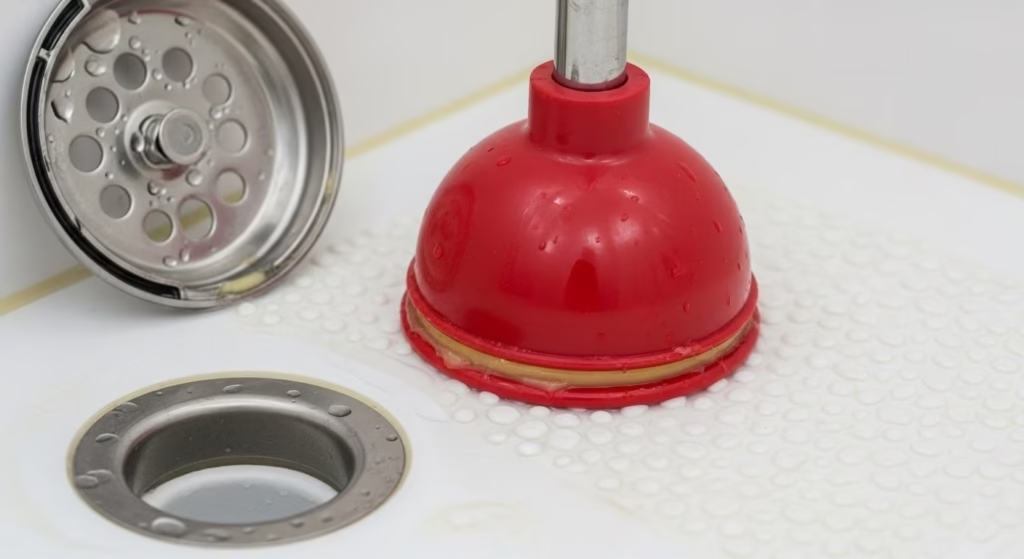
- Remove the drain cover completely.
- Apply a thick ring of petroleum jelly around the rim of your plunger cup. This helps seal any tiny gaps between the rubber and the textured shower floor.
- If there is no standing water in the shower, add a couple of inches of water to the pan. The water acts as a seal and transfers the pressure directly to the clog.
- Place the plunger over the drain opening. Ensure it is completely flat.
- Push down gently to release the air, then plunge vigorously up and down for 20 to 30 seconds. Keep the seal tight against the floor.
- Pull the plunger up sharply. The suction should pull the clog up or push it through the main sewer line.
If you see dirty water or hair clumps come back up into the shower pan, grab them with your gloved hands and throw them in the trash. Flush the line with hot water to ensure the pipe is totally clear.
Step 4: Using a Drain Snake
When you have a deep clog trapped firmly in the p-trap or further down the line, a plunger might not generate enough force. This is when you need a professional’s best friend: the plumber’s snake (or auger). Knowing how to use a snake to unclog a shower drain is essential for stubborn blockages.
Many clients ask me how to unclog a shower drain with a snake effectively. It requires a bit of technique to navigate the bends in your plumbing without causing damage.
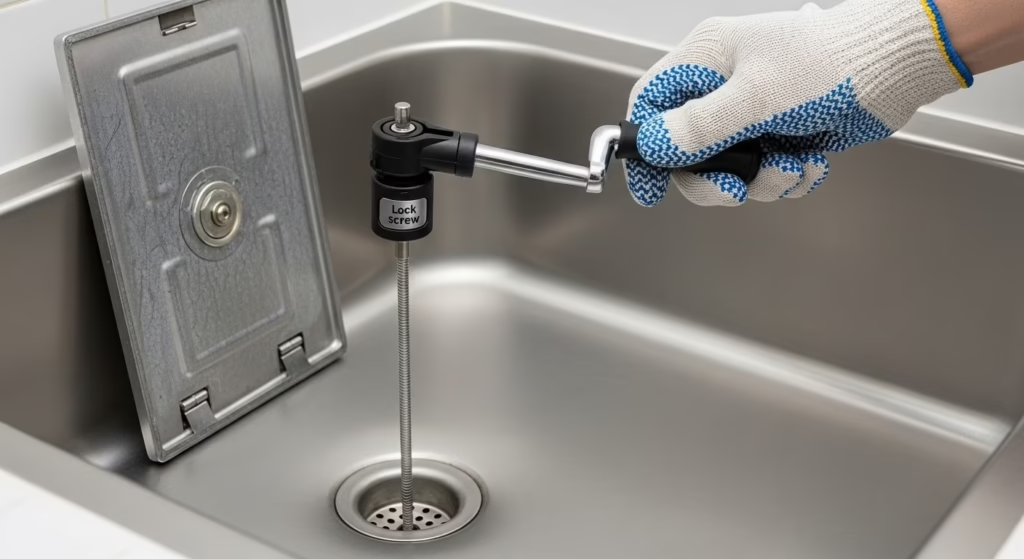
- Remove the drain cover and put on your protective gloves.
- Slowly feed the cable of the plumber’s snake into the drain opening.
- Push the cable down until you feel resistance. Do not force it aggressively; you might just be hitting the curve of the p-trap.
- Tighten the lock screw on the snake handle and slowly crank the handle clockwise. This rotating action allows the corkscrew tip to bite into the hair and soap scum.
- Once you feel the snake grab onto the deep clog, gently pull the cable back out. You will likely pull up a large, foul-smelling mass of hair and sludge.
- Wipe the cable clean with an old rag as you pull it out, and throw the debris into a plastic bag.
- Run hot water for several minutes to flush out any remaining loose particles.
If you do not own an auger and are wondering how to unclog hair from the shower drain without a snake, refer back to the wire coat hanger method in Step 1. While it won’t reach as deep, it functions similarly for mid-level clogs. Knowing how to unclog a shower drain without a snake relies heavily on your manual clearing and natural fizz techniques.
Step 5: Prevention and Maintenance
Once you learn how to unclog a shower drain with hair, you quickly realize you never want to do it again. Prevention is always cheaper and less disgusting than the cure. Implementing a few simple maintenance habits will keep your water flowing freely and prevent foul odors and drain flies from returning.
First and foremost, invest in a quality hair catcher. This simple, inexpensive silicone or metal mesh device sits over your drain cover and traps hair before it ever enters the drain assembly. Empty it after every shower. This single tool eliminates 90% of all shower drainage issues.
Second, establish a monthly maintenance routine. You do not need to wait for a slow drain to take action. Once a month, pour a kettle of hot water down the drain to melt away newly forming soap scum. Follow this up with a half-dose of the baking soda and vinegar natural fizz we discussed in Step 2. This routine maintenance breaks down minor biofilm before it has the chance to accumulate into a full pipe blockage.
Finally, be mindful of what you wash down the drain. Heavy, oil-based body scrubs and excessive amounts of thick conditioner contribute heavily to pipe buildup. The less greasy residue going down your pipes, the less friction there is for hair to latch onto.
What is the best way to unclog a shower drain with standing water?
First, bail out the excess water with a cup. Use a plunger to create pressure and dislodge the blockage, or a manual hair removal tool. If the water remains, a plumber’s snake is the most effective tool for deep clogs.
Are baking soda and vinegar safe for all types of pipes?
Yes, this natural combination is safe. However, never use boiling water if you have PVC (plastic) pipes, as extreme heat can warp them. Use hot tap water instead.
What should I do if I don’t have a plumber’s snake?
You can fashion a DIY hook from a wire coat hanger or use a long plastic zip tie to grab hair clogs near the surface. For deeper blocks, the plunger method is your best alternative.
How often should I clean my shower drain to prevent clogs?
I recommend a monthly maintenance flush with hot water and baking soda. Most importantly, clear your hair catcher after every single shower to stop clogs before they start.
Why should I avoid chemical drain cleaners?
Chemicals are corrosive and can eat away at your pipes over time, leading to expensive leaks. They also create toxic fumes. Mechanical and natural methods are safer, cheaper, and just as effective.