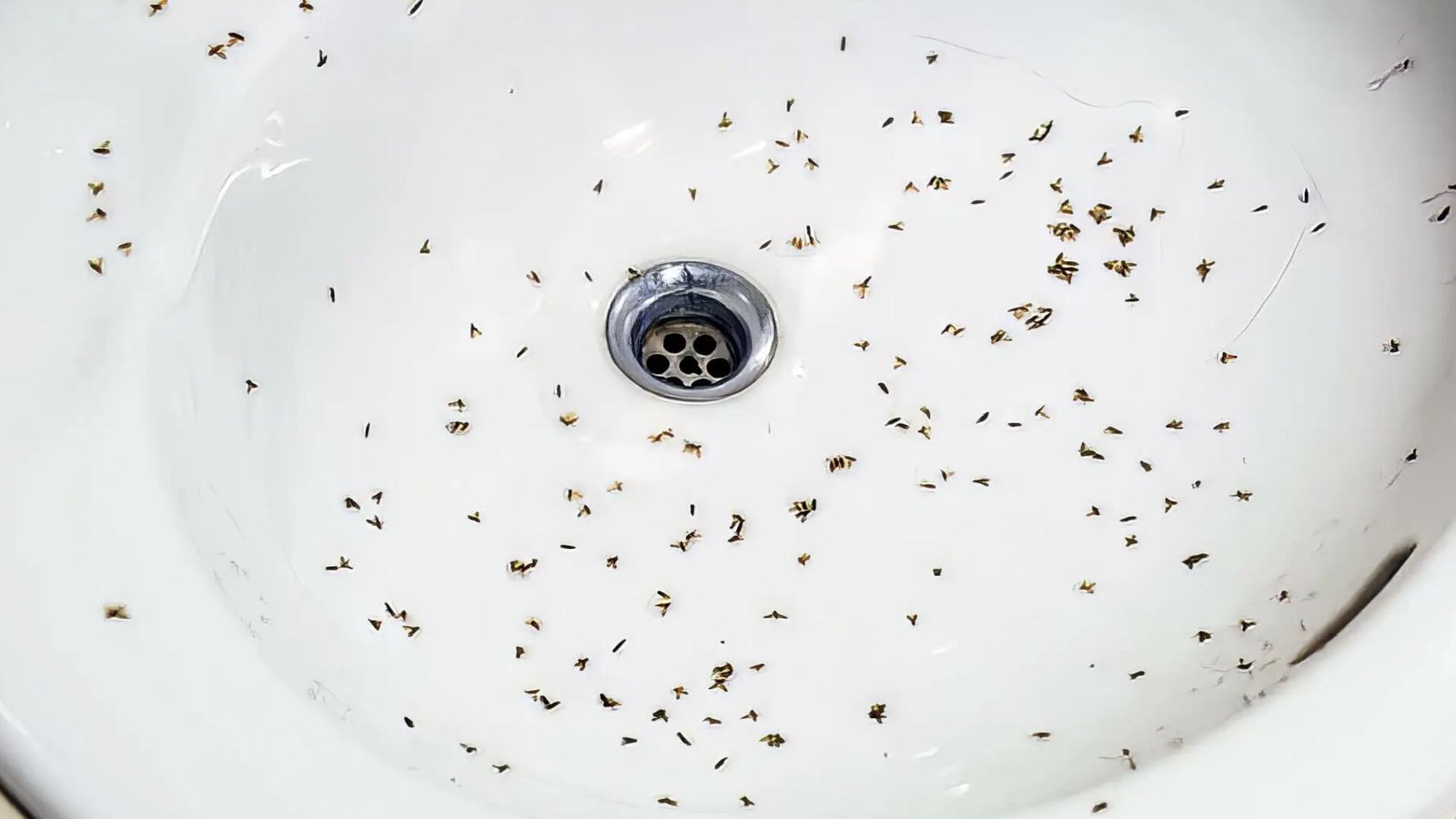
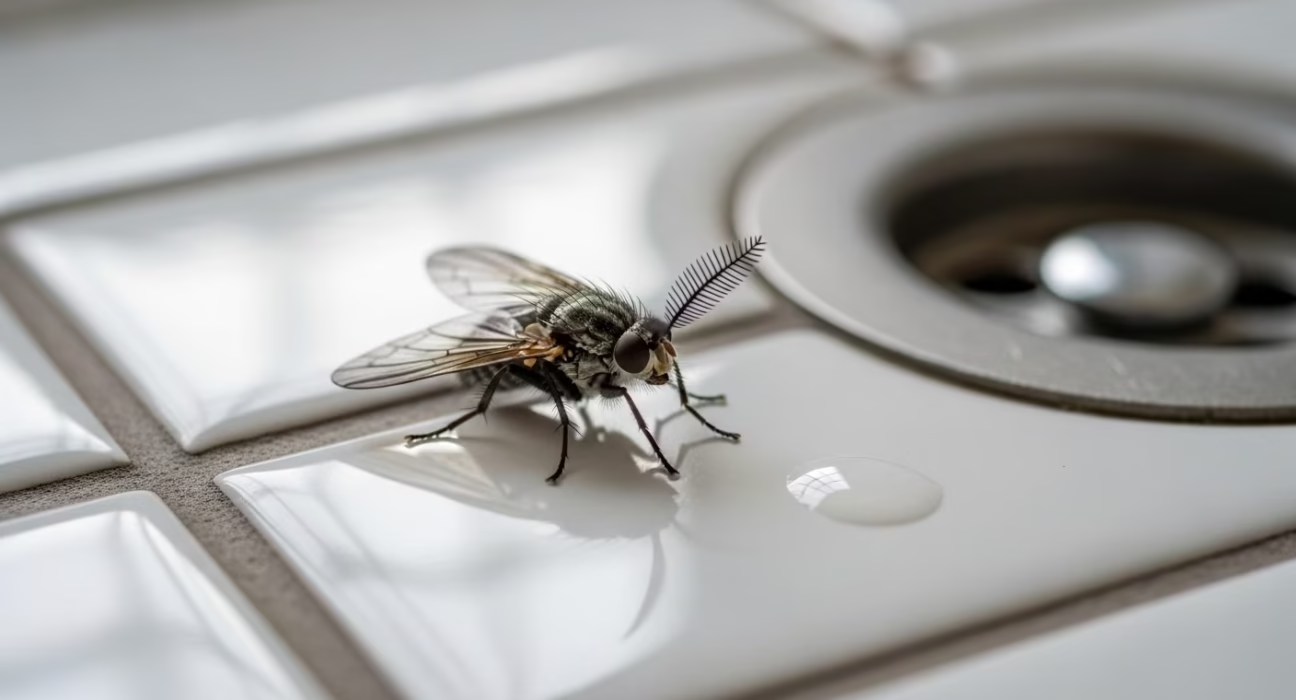
You walk into your bathroom, flip on the light, and there they are. Tiny, fuzzy, heart-shaped moths are clinging to the wall right above your sink or shower drain. You wash them away, but the very next morning, a fresh batch takes their place.
As a plumber, I see this exact frustration all the time. If you want to learn how to get rid of drain flies permanently, you have to realize that surface-level cleaning simply will not work. These pests thrive deep inside your plumbing, feeding and breeding in the gelatinous slime coating the inside of your pipes.
However, before you start aggressively scrubbing your drains, you must confirm exactly what you are fighting. Many homeowners waste valuable time and money because they confuse these plumbing pests with other common indoor bugs. Understanding the clear differences between drain flies vs fruit flies is a crucial first step that will save you weeks of wasted effort.
In this guide, we will break down exactly how to identify these fuzzy nuisances and tackle the root cause of the infestation. We will walk through the practical, proven steps to destroy their hidden breeding grounds so you can finally take your bathroom back.
Quick Reference Guide: Drain Fly Elimination Process
Use this simple summary table to quickly review the steps needed to identify, eliminate, and prevent drain flies in your home. Save or print this guide for fast reference during your plumbing maintenance routine.
| Step/Phase | Key Actions | Pro-Tip |
| 1. Identification | Dry the drain area at night. Place a strip of tape partially over the opening. Check the tape the next morning for tiny, fuzzy bugs. | Use heavy-duty duct tape instead of regular office tape, as it grips better in damp environments. |
| 2. Mechanical Cleaning | Flush the drain with warm water. Insert a stiff metal pipe brush down to the P-trap. Scrub the walls vigorously to break apart the slime. | You must scrub physically. Bleach will just wash right over the protective biofilm without hurting the larvae. |
| 3. Chemical Flush | Pour ½ cup of baking soda down the drain, followed by 1 cup of white vinegar. Cover the drain for 15 minutes, then flush with boiling water. | The expanding foam reaction forces its way into tight pipe crevices, washing away the loosened organic matter. |
| 4. Trapping Survivors | Pour ½ inch of apple cider vinegar into a small bowl. Add 3 to 4 drops of liquid dish soap to break the surface tension. Leave it on the counter. | Do not place the trap directly over the drain opening. Set it a few feet away to lure adult flies out of the pipes. |
| 5. Room Prevention | Install hair catchers in your bathroom. Never pour grease down your kitchen sink. Pour a bucket of water down unused basement drains monthly. | Drain flies occasionally lay eggs in damp fabrics. Wash your bath mats regularly and spread shower curtains flat to dry. |
| 6. Maintenance | Flush active drains weekly with boiling water. Apply microbial enzyme gels overnight. Scour your garbage disposal with ice and rock salt. | Set a repeating reminder on your phone to complete these deep-cleaning tasks once a month to keep your plumbing clear. |
Identification: The Duct Tape Test
Before you start pouring anything down your sink, you need to confirm exactly what pest is living in your plumbing. If you want to learn how to get rid of drain flies in house environments effectively, you must pinpoint their exact breeding grounds. These small black flying bugs rarely travel far from where they hatch.
The most reliable way to find an active infestation is a simple method plumbers use called the duct tape test. This easy trick catches the adult flies as they try to leave the drain at night. It proves without a doubt which pipes contain the larvae.
Here is how to perform the duct tape test in your home:
- Dry the surface: Right before you go to bed, wipe the area around your sink or shower drain completely dry. Tape will not stick to wet metal or porcelain.
- Apply the tape: Place a strip of duct tape or clear packing tape directly over the center of the drain. Do not seal the drain completely. Leave a small gap on the side so air can flow, which encourages the flies to fly upward.
- Wait overnight: Drain flies are most active at night. Leave the tape undisturbed while you sleep.
- Check the results: In the morning, peel the tape back and inspect the sticky side.
If you see tiny, fuzzy, moth-like bugs stuck to the tape, you have a confirmed drain fly problem. You should repeat this exact test on every sink, shower, tub, and floor drain in your home. Finding every active breeding site is vital before you start cleaning.
The Science of the Slime: Why Bleach Fails
When homeowners spot pests in their sink, their first instinct is usually to reach for a bottle of bleach. They pour a heavy dose down the pipes, expecting an immediate fix. However, when you are dealing with these stubborn pests, bleach is almost entirely useless.
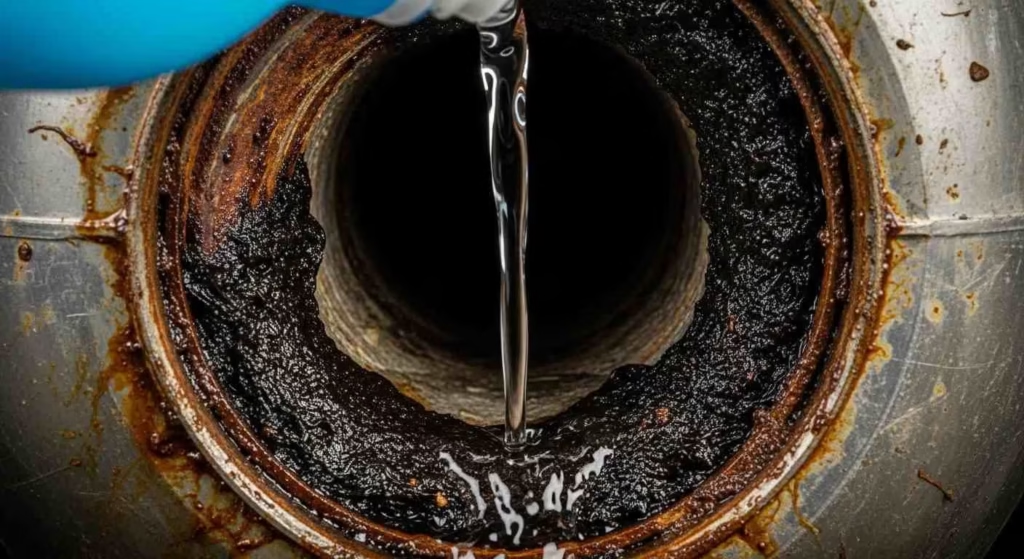
To understand why, you have to look at where these insects actually live. Drain flies do not just float in stagnant water. They thrive in the biofilm, which is a thick, gelatinous slime that coats the inside of your plumbing.
This sticky layer builds up over time from hair, skin cells, grease, and soap scum. When you pour bleach down the drain, the harsh liquid simply glides right over the top of this protective barrier. It quickly washes away without ever penetrating the slime to reach the eggs hidden underneath.
Targeting the Root Cause
If you want to figure out how to get rid of drain fly larvae permanently, you have to destroy their habitat. The larvae rely entirely on that decaying organic matter for both food and shelter. As long as the biofilm remains clinging to your P-trap, the flies will continue to multiply and mature.
You must break down this gelatinous slime to stop the biological lifecycle of the larvae. Mechanical scrubbing and specialized enzyme cleaners are the only effective ways to strip the pipe walls bare. Once you remove the slime, you remove their food source, and the entire infestation collapses.
The DIY Cleaning Protocol: Destroying the Slime
Now that you know exactly what pest you are fighting, it is time to destroy their home. Because these insects live deep inside the sticky biofilm, pouring liquid down the drain is not enough. You need a proven, two-step approach that physically breaks up the sludge and washes it away.
Many homeowners frantically search for how to get rid of fruit flies in drain pipes, only to realize later that they actually have drain flies. Fortunately, the deep-cleaning protocol below destroys the organic matter that attracts both of these frustrating pests.
Mechanical Cleaning: The Pipe Brush Method
You cannot skip physical scrubbing. The gelatinous slime that protects the larvae clings tightly to the walls of your pipes. You must break this barrier manually before any chemical treatment can work.
Follow these steps to scrub your pipes clean:
- Flush the drain: Pour a pot of warm water down the sink or shower to moisten the sludge. Do not use boiling water yet, as extreme heat can crack porcelain or warp PVC pipes.
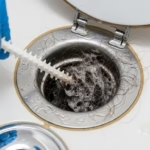
- Insert a pipe brush: Feed a stiff-bristled, flexible metal pipe brush down into the drain. Push it as far down as it will go until you reach the U-shaped P-trap.
- Scrub the walls: Twist the brush forcefully while pulling it up and down. Make sure you scrape the sides of the pipe to detach the thick layers of slime.
- Rinse and repeat: Pull the brush out, rinse the dark sludge off, and repeat the scrubbing process until the brush comes up clean.
The Chemical Reaction: Baking Soda and Vinegar
Once you physically break the slime apart, you need to flush the remnants out of your plumbing. This is where a classic DIY chemical reaction comes in handy.
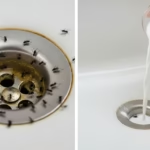
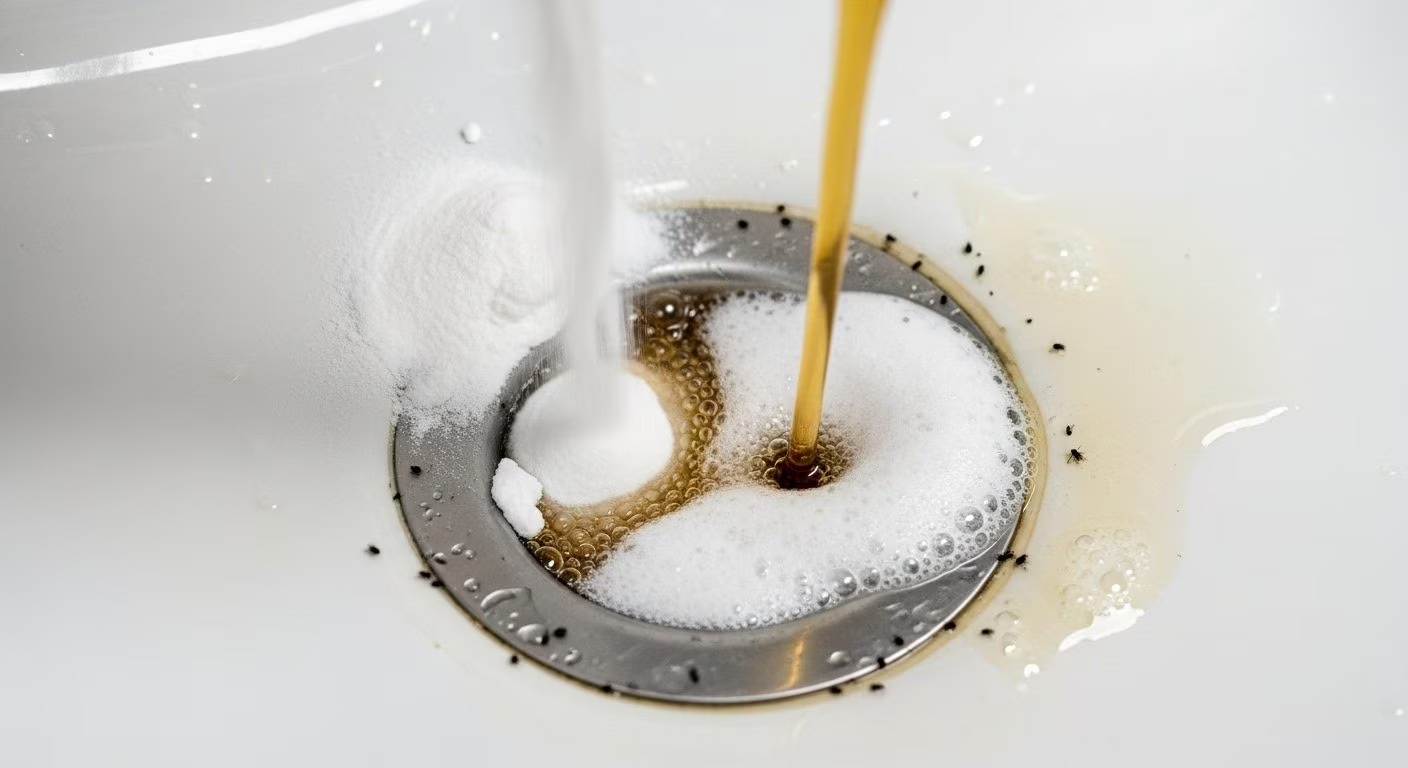
Pouring half a cup of baking soda down the drain, followed by a cup of white vinegar, creates a powerful expanding foam. This expanding “fizz” forces its way into the tiny crevices of your pipes, carrying away the loosened eggs and larvae. Understanding the process of using drain flies baking soda and vinegar as a solution is a fundamental plumbing trick that will keep your pipes clear of organic buildup long after the bugs are gone.
Here is the best way to execute this chemical flush:
- Pour ½ cup of baking soda directly into the drain opening.
- Slowly pour 1 cup of white vinegar over the baking soda.
- Cover the drain with a plug or heavy cloth immediately to force the expanding foam downward into the P-trap.
- Let the mixture sit for at least 15 to 20 minutes to dissolve the remaining organic matter.
- Flush the pipe completely with a large pot of boiling water to wash the dead larvae and broken slime away.
The Trapping Phase: Catching the Survivors
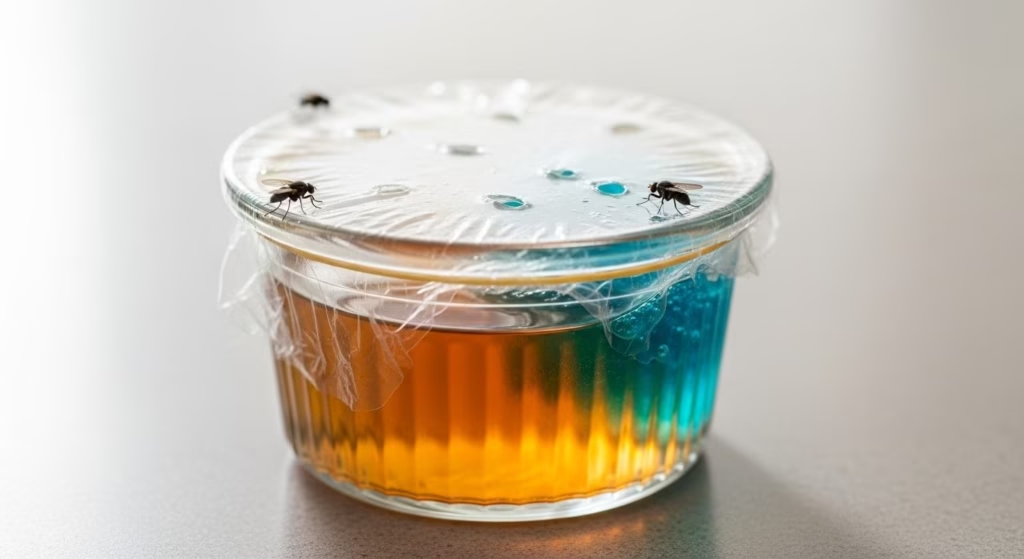
Even after you scrub your pipes and destroy the slime, you still have a problem hovering in the air. Adult drain flies live for about two to three weeks. If you want to learn how to get rid of drain flies in house environments completely, you must eliminate these remaining adults before they find a new place to lay eggs.
This is where the trapping phase begins. You cut off their breeding ground, and now you must catch the stragglers. The most effective DIY method uses simple household ingredients: apple cider vinegar (ACV) and liquid dish soap.
The Apple Cider Vinegar and Dish Soap Trap
Adult drain flies naturally gravitate toward the sweet, fermented scent of apple cider vinegar. When you leave a bowl of ACV out on your counter, they will fly down to the surface to investigate. However, if you only use vinegar, they will simply land, rest, and fly away.
Adding a few drops of liquid dish soap solves this problem. The soap chemically breaks the surface tension of the liquid. When the flies touch down on the mixture, the surface gives way, and they immediately sink to the bottom.
Follow these quick steps to build your trap:
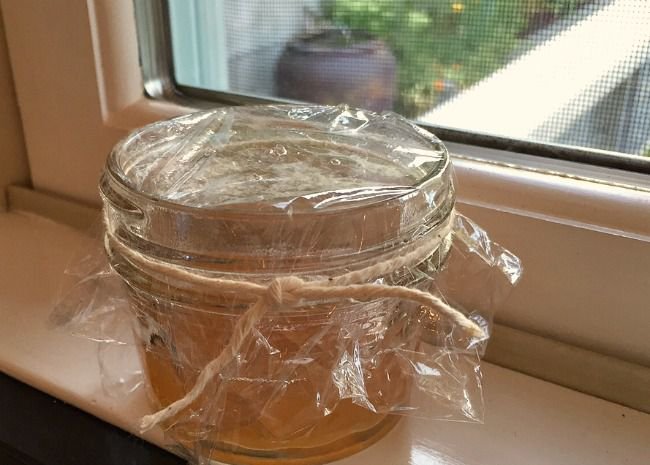
- Prepare the container: Find a small bowl, mug, or ramekin. Place it right next to the infested sink or shower.
- Add the bait: Pour about half an inch of apple cider vinegar into the container. You only need enough liquid to cover the bottom entirely.
- Mix in the soap: Add three to four drops of standard liquid dish soap into the vinegar. Gently stir the mixture to distribute the soap without creating thick suds.
- Create a funnel cover (optional): For extra trapping power, cover the bowl tightly with plastic wrap. Poke a few small holes in the top with a toothpick. The flies will crawl in through the holes but will fail to navigate back out.
Leave this trap on your bathroom or kitchen counter for at least a week. You should empty and refill it every two to three days to keep the fermented scent strong.
While this DIY approach works wonderfully for immediate relief, severe infestations might outpace a simple bowl of vinegar. If you find yourself constantly refilling homemade traps, you should spend some time choosing the best fly trap for drain flies for long-term control. Upgrading to a specialized UV light trap or commercial sticky trap can save you significant time and effort.
Room-by-Room Prevention: Stopping the Next Generation
Once you clear out an active infestation, your job is only half done. If you leave the conditions that brought them inside unchecked, these pests will return within weeks. Learning how to get rid of drain flies in house environments means understanding that every room presents unique plumbing vulnerabilities.
You must adapt your prevention strategy based on how you use the water in each specific area. By targeting the unique organic waste found in your bathrooms, kitchens, and basements, you can starve future generations before they ever hatch.
The Bathroom: Controlling Moisture and Hair
Your bathroom is the absolute favorite breeding ground for these fuzzy moths. Between shedding skin cells, washing away body oils, and shedding hair, your shower drain collects a massive amount of organic debris. This creates the perfect thick biofilm for larvae to consume.
To keep your bathroom pest-free, follow these targeted habits:
- Install a hair catcher: A simple mesh screen over your tub and shower drains stops hair from entering the pipes. Hair acts like a net, catching soap scum and accelerating slime buildup.
- Clean the overflow drain: Most people forget the small overflow hole near the top of their bathroom sink. This dark, damp channel rarely flushes with high-volume water, making it a safe haven for eggs. Pour boiling water down the overflow once a month.
- Use weekly enzyme cleaners: Instead of harsh bleach, pour a bio-enzyme drain cleaner down your sinks and showers every Sunday night. The harmless bacteria in these cleaners eat the slime before it can accumulate.
The Kitchen: Starving the Sink
Kitchen sinks deal with a completely different type of organic waste. Food scraps, sugary liquids, and cooking grease create a dense, highly attractive sludge. The garbage disposal, in particular, houses countless hidden crevices where larvae can safely mature.
Protect your kitchen plumbing with these heavy-duty practices:
- Never pour grease down the drain: Cooking oils and animal fats solidify when they cool. They coat the walls of your pipes and trap every piece of food that washes past, creating a massive buffet for pests.
- Scrub the disposal blades: Toss a handful of ice cubes and a half-cup of coarse rock salt into your garbage disposal. Run the disposal with cold water. The abrasive mixture scours the blades and the grinding chamber, knocking loose the sticky food debris.
- Flush with boiling water: Once a week, boil a large kettle of water and slowly pour it directly down the kitchen sink. The extreme heat melts away minor grease buildups and flushes away any newly laid eggs.
The Basement: Managing Hidden Drains
Basements and utility rooms are notoriously difficult to monitor. Floor drains, laundry sinks, and sump pumps sit unused for long periods. This leads to stagnant water, which is an open invitation for a major infestation.
Because you do not use these fixtures every day, a small fly problem can quickly explode into a massive colony before you even notice.
- Keep P-traps full: Every drain has a U-shaped pipe underneath called a P-trap, which holds a small pool of water to block sewer gases. In unused basement drains, this water eventually evaporates. Pour a bucket of water down your floor drains every month to keep the trap full.
- The mineral oil trick: To stop the water in a floor drain from evaporating too quickly, pour two tablespoons of mineral oil down the grate. The oil floats on top of the water, creating a seal that slows evaporation and blocks adult flies from reaching the water to lay eggs.
- Check the washing machine line: Lint and detergent buildup inside the washing machine discharge hose often create a hidden breeding ground. Check the connection where the hose meets your utility sink or standpipe, and clear out any gray sludge you find.
By maintaining this room-by-room defense, you disrupt the biological lifecycle of the larvae entirely. Female moths can lay up to 300 eggs at a time, and those eggs hatch in just 48 hours. By starving your pipes of organic matter, you ensure those eggs never survive to see the surface.
The Plumber’s Maintenance Schedule: Keeping Drains Clear
Cleaning your pipes once will stop a current infestation, but it will not keep the bugs away forever. Biofilm constantly rebuilds as long as you use your sinks and showers. To ensure you never see another fuzzy moth in your bathroom, you must adopt a proactive approach.
As a plumber, I always tell my clients that consistent maintenance is much cheaper and easier than fixing a severe problem later. By following a simple, routine schedule, you can keep your plumbing spotless and completely free of gelatinous slime.
Weekly Maintenance Tasks
Your weekly routine should focus on stopping organic buildup before it thickens. These quick tasks take only a few minutes but provide a massive defense against pests.
- The boiling water flush: Once a week, boil a large pot of water. Carefully pour it down your kitchen sink, bathroom sink, and shower drain. The extreme heat melts away fresh soap scum and minor grease deposits.
- Apply microbial gels: Pour a high-quality enzyme drain cleaner down your most-used drains right before you go to bed. These beneficial bacteria will eat away up to a week’s worth of organic waste overnight while the pipes are dry.
- Clear the hair catchers: Empty the mesh screens in your tub and shower every few days. Do not let hair sit and decay in the drain opening.
Monthly Deep Cleaning
Once a month, you need to perform a deeper clean to tackle the stubborn grime that survives your weekly flushes. This is your chance to reset the health of your plumbing.
- Scrub the pipe walls: Pull out your flexible pipe brush and vigorously scrub the sides of your drains. Reach down to the P-trap to knock loose any developing biofilm.
- Use the fizzing reaction: Follow up your mechanical scrubbing with the baking soda and white vinegar trick. This chemical reaction will carry the loosened debris out of your pipes entirely.
- Check your unused drains: Walk through your basement and utility rooms. Pour a bucket of fresh water down every floor drain to ensure the P-traps remain full, blocking sewer gases and flies from entering your home.
Seasonal Plumbing Checks
Every few months, take a broader look at your home’s plumbing health. Drain flies often point to larger, hidden moisture issues.
Deep clean the disposal: Toss ice cubes and rock salt into your garbage disposal to scour the grinding chamber. Run cold water and let the abrasive mixture strip away hidden food waste.
Inspect for leaks: Look under your bathroom and kitchen sinks with a flashlight. Even a tiny, slow drip creates enough moisture to support a breeding colony under your cabinets.
FAQs
What causes drain flies?
Drain flies are attracted to stagnant water and decaying organic matter. They breed in the thick, gelatinous biofilm (slime) created by hair, grease, and soap scum inside slow-moving pipes.
Are drain flies harmful?
They do not bite or sting and are not directly dangerous. However, because they breed in sewage, they can mechanically transfer bacteria from your pipes onto bathroom and kitchen surfaces.
Will pouring bleach down the drain kill them?
No. Bleach is ineffective because it slides over the protective biofilm without reaching the eggs underneath. To kill the colony, you must physically scrub the pipes or use an enzyme cleaner.
How long do drain flies live?
Adults live for 2 to 3 weeks, but a single female can lay 300 eggs that hatch in just 48 hours. This rapid cycle can turn a minor issue into a massive infestation in just a few days.
What is the fastest way to get rid of drain flies?
The most effective 2-step method is to first scrub the drain with a stiff pipe brush to destroy the breeding ground. Then, catch surviving adults by placing a bowl of apple cider vinegar and dish soap near the sink.