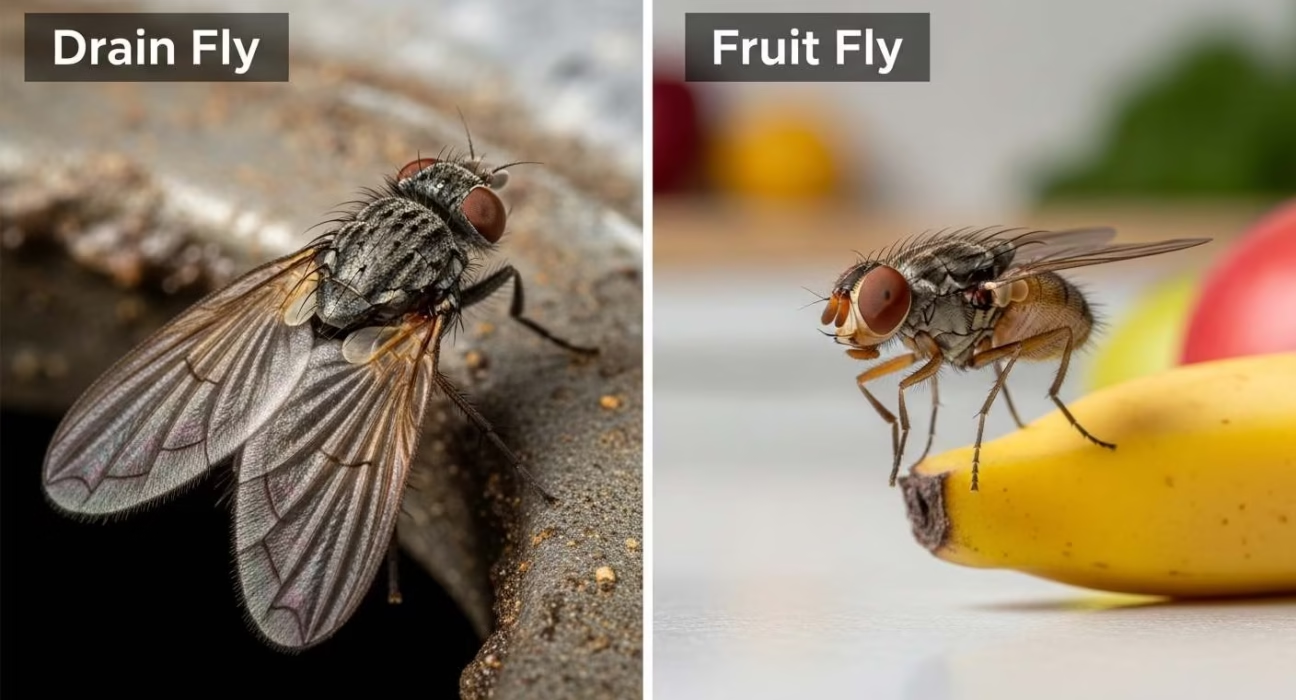
Drain flies vs fruit flies is a common confusion for many homeowners when they notice tiny flying insects in their kitchen. You spot a tiny, winged insect hovering in your kitchen. Your first thought might be that you have a fruit fly problem. While that’s a common assumption, you could be dealing with an entirely different pest: the drain fly. Confusing these two can lead to ineffective pest control efforts, as their breeding grounds and habits are quite distinct.
Understanding the key differences between drain flies and fruit flies is the first step toward reclaiming your home. This guide offers an expert look into their appearance, habitats, and behaviors, providing you with the knowledge to correctly identify and eliminate these unwelcome guests for good.
What Are Drain Flies?
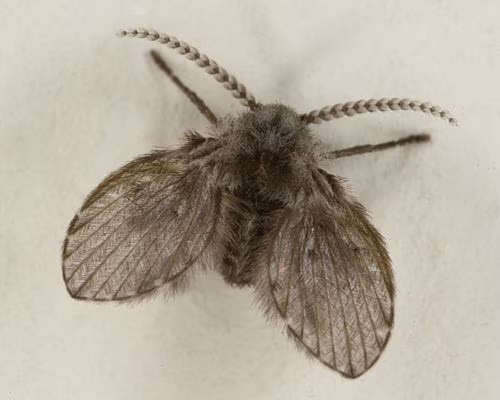
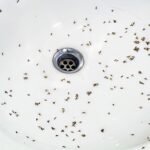
Drain flies, scientifically known as members of the Psychodidae family, are often called moth flies, sewer gnats, or filter flies. Their common names hint at their appearance and preferred environment. These small flies are not strong fliers and are typically found near sources of stagnant water and organic sludge.
Their life cycle is directly tied to the gunk that accumulates in your plumbing. An adult female drain fly can lay a clutch of 30 to 100 eggs in the gelatinous film lining pipes, drains, and septic systems. These eggs hatch into larvae within 48 hours. The larvae, which resemble tiny worms, feed on the decaying organic matter, bacteria, and microorganisms in this sludge. After about 9 to 15 days, they pupate, emerging as adults roughly 20 to 40 hours later. The entire life cycle can be completed in as little as one to three weeks.
What Are Fruit Flies?
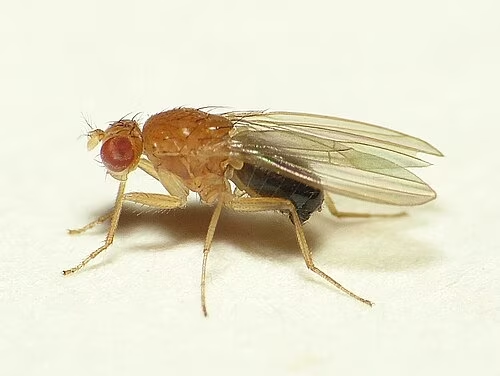
Fruit flies belong to the Drosophilidae family. They are one of the most common household pests worldwide, famous for their attraction to ripening or fermenting produce. Their scientific name, Drosophila melanogaster, is well-known in genetic research due to their rapid life cycle and simple genetic makeup.
A single female fruit fly can lay up to 500 eggs on the surface of fermenting organic material, such as an overripe banana or a spilled drop of wine. The eggs hatch into larvae, or maggots, in about 24 to 30 hours. These larvae burrow into the food source to feed for several days before finding a dry spot to pupate. The adult fly emerges a few days later, ready to mate and repeat the cycle. This entire process can take as little as 8 to 10 days, explaining why an infestation grows so rapidly when comparing drain flies vs fruit flies, as a small problem can quickly become a full-blown nuisance under ideal conditions.
Key Differences: Drain Fly vs. Fruit Fly
While both are small flying insects that can be a nuisance in the home, their characteristics are quite different. A close look at their appearance, location, and behavior will reveal which pest you are dealing with.
Appearance: The Telltale Signs
The easiest way to tell these flies apart is by their physical appearance.
Drain Flies:
- Body and Wings: They have a distinctly fuzzy, moth-like appearance. Their bodies and wings are covered in tiny, dense hairs, giving them a gray or black, velvety look.
- Wing Position: When at rest, they hold their broad, leaf-shaped wings over their body like a tent or roof, further enhancing their resemblance to a tiny moth.
- Size: They are slightly larger than fruit flies, typically measuring between 1.5 to 5 millimeters in length.
Fruit Flies:
- Body and Wings: They have a smoother, more classic fly-like appearance. Their bodies are typically tan or light brown, and their wings are clear.
- Eyes: One of their most distinguishing features is their eyes, which are often bright red, although some can have darker eyes.
- Size: Fruit flies are quite small, usually measuring about 3 to 4 millimeters. Their body is more elongated and less rounded than that of a drain fly.
Habitat: Where to Find Them
The location where you most frequently see the flies is a major clue to their identity.
Drain Flies:
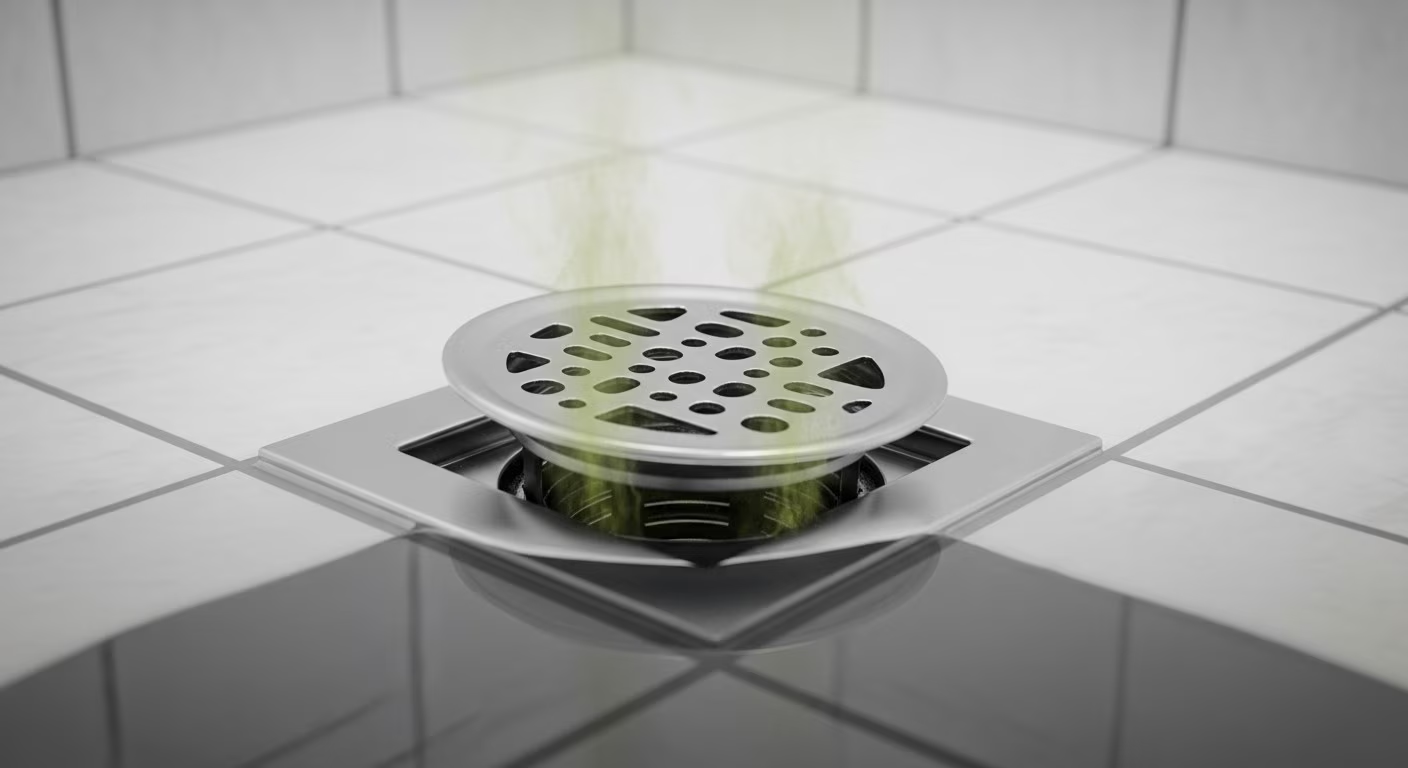
- Primary Locations: True to their name, they are almost always found near drains. Look for them in kitchens, bathrooms, basements, and laundry rooms. They congregate around sinks, shower drains, floor drains, and even infrequently used toilets.
- Breeding Sites: They breed in the organic sludge that lines plumbing pipes. This “biofilm” provides a perfect environment for their larvae to thrive. Septic tanks, sewage lines, and areas with standing water are also prime breeding grounds. If you see them on walls, they are likely resting near their source.
Fruit Flies:
- Primary Locations: These pests are drawn to the kitchen and dining areas. You will see them hovering around fruit bowls, garbage cans, recycling bins, and any place where food is left out.
- Breeding Sites: Their breeding sites are sources of fermentation. This includes overripe fruits and vegetables, spills of sugary drinks like soda or juice, empty alcohol bottles, and even damp mops or dish rags that have food residue.
Behavior: Flight and Activity Patterns
Observing how the flies move can also help with identification.
Drain Flies:
- Flight Pattern: They are weak, clumsy fliers. They tend to make short, hopping flights rather than soaring through a room. When disturbed, they fly for a few feet before quickly landing on a nearby wall or surface.
- Activity: Drain flies are more active in the evening and at night. They are attracted to lights and often gather on walls and ceilings near their breeding source.
Fruit Flies:
- Flight Pattern: Fruit flies are more agile and persistent fliers. They can be seen buzzing around food sources or hovering in place. They are more likely to fly around your head or land on you if you are near their food.
- Activity: They are primarily active during the day. Their activity level increases when they detect the ethylene gas released by ripening fruit or the scent of fermentation.
How to Eliminate the Infestation
Because they breed in different places, getting rid of drain flies requires a different approach than eliminating fruit flies.
Eradicating Drain Flies
The key to eliminating drain flies is to destroy their breeding ground: the organic sludge in your pipes.
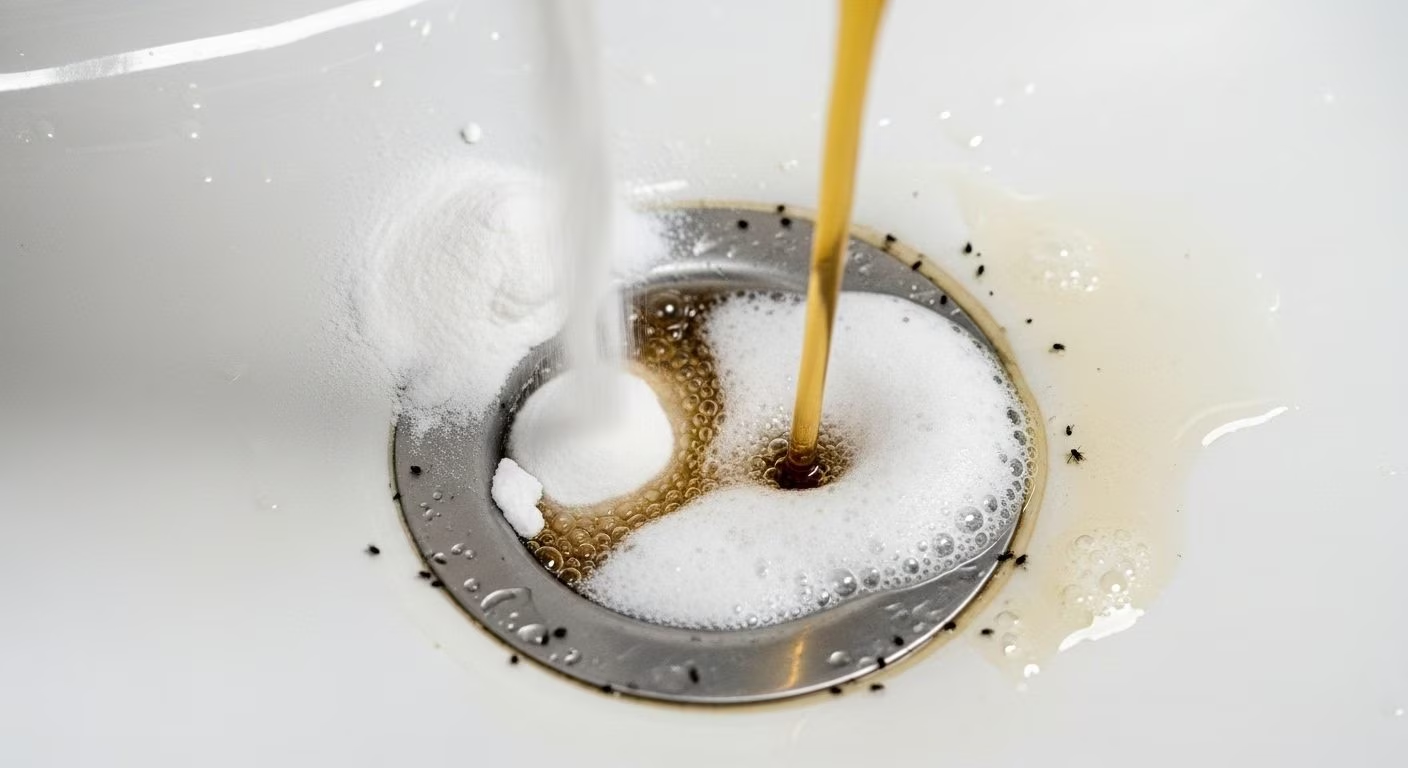
- Clean the Drain: The first and most crucial step is to physically clean the inside of the drain. Use a stiff pipe brush to scrub the sides of the pipe as far down as you can reach. This action breaks up the gelatinous film where the larvae live.
- Use a Drain Cleaner: After scrubbing, pour an enzymatic or microbial drain cleaner down the drain. These products use bacteria and enzymes to digest the organic waste without harming your pipes. Avoid using harsh chemical bleaches, as they may not fully penetrate the sludge and can be environmentally harmful.
- Flush with Hot Water: About an hour after using an enzymatic cleaner, flush the drain with hot (but not boiling) water to wash away any remaining debris.
- The Tape Test: To confirm the source, you can place a piece of packing tape, sticky side down, over the drain opening overnight. If you have drain flies, some will get stuck to the tape as they emerge.
Eradicating Fruit Flies
For fruit flies, the strategy is to remove their food sources and trap the remaining adults.
- Eliminate Food Sources: Store all fruits and vegetables in the refrigerator. Promptly clean up any spills, especially sugary ones. Take out the garbage and recycling regularly, and make sure the bins are clean.
- Set DIY Traps: A simple and effective trap can be made with a small bowl of apple cider vinegar. Add a few drops of dish soap to break the surface tension, causing the flies to sink and drown.
- Check for Hidden Sources: If the problem persists, look for less obvious breeding sites. This could be a forgotten potato in the back of a pantry, a dirty mop, or residue at the bottom of a trash can.
By correctly identifying whether you have drain flies or fruit flies, you can apply the right solution and efficiently resolve your pest problem. Paying attention to their unique traits is the best defense against a prolonged and frustrating infestation.
FAQs
How do I tell the difference between drain flies and fruit flies?
Drain flies have fuzzy, moth-like bodies and rest with wings roof-shaped. Fruit flies have smooth bodies with red or dark eyes and are usually found around fruit or trash.
Where do drain flies come from?
Drain flies breed in the slimy biofilm inside drains, pipes, and other damp areas with decaying organic matter.
What attracts fruit flies to my kitchen?
Fruit flies are attracted to fermenting fruits, vegetables, sugary liquids, and food waste.
Are drain flies or fruit flies dangerous to my health?
Fruit flies can spread bacteria like E. coli and Salmonella. Drain flies are mostly harmless but indicate moisture or sanitation issues.
Will bleach kill drain flies and fruit flies?
Bleach may kill some adult flies but does not remove the breeding source in drains or pipes.
How long does it take to get rid of a drain fly or fruit fly infestation?
Most infestations improve within 7–10 days after removing breeding sources and cleaning affected areas.
Why Trust This Guide?
This guide is the result of extensive research, incorporating proven best practices recommended by pest control professionals, academic entomology resources, and public health authorities. All recommendations are based on real-world expertise and reviewed scientific literature. You can trust that the strategies and information provided here are evidence-based, practical, and current with industry standards for home pest control.You can trust that the strategies and information provided here at MoveYourBug.
If you’re facing a persistent infestation or need expert identification and solutions, don’t hesitate to consult a qualified pest management professional. Addressing the root cause not only removes the nuisance but ensures your home remains healthy and safe from hidden contamination.
Maintaining high standards of sanitation and following these expert tips will help you prevent both drain flies and fruit flies and create a cleaner, more comfortable living space.